close
Choose Your Site
Global
Social Media
Views: 0 Author: Site Editor Publish Time: 2026-09-02 Origin: Site

Natural sunlight floods your living room, creating a warm and inviting space. Yet, this same beautiful light acts as a quiet destroyer of upholstery. Buyers often invest heavily in high-quality furniture. Then they watch helplessly as UV rays, ambient heat, and visible light completely degrade the fabric. The rich colors wash out quickly. Structural integrity weakens until the cushions fray and tear. We must first accept a baseline reality. No upholstery is entirely 100% "fade-proof." Instead, your goal is to evaluate and select a genuinely Fade-Resistant Sofa. This strategic choice significantly delays degradation while maintaining optimal indoor comfort. This guide provides a clear, material-science-based framework for evaluating fabrics, colors, and warranties. You will learn exactly how to protect your living space. By understanding these core principles, buyers can make a confident, long-term investment.
Material matters most: Synthetic performance fabrics (especially solution-dyed acrylics) drastically outperform natural fibers in UV resistance.
The dye process is critical: Solution-dyed fabrics lock color all the way through the fiber, preventing rapid surface fading.
Color selection impacts perception: Lighter neutrals hide inevitable minor fading better than dark, saturated jewel tones.
Defense in depth: Combining a fade-resistant sofa with architectural UV protection (like window films) yields the highest ROI.
Many assume ultraviolet rays act alone. They do not. Fading involves a complex triad of environmental factors. Ultraviolet radiation causes about 40% of the damage. Visible light contributes another 25%. Ambient room heat adds the final 25%. Together, they trigger a destructive process called photodegradation. This chemical reaction breaks down the covalent bonds inside fabric dyes. Once these bonds snap, the fabric loses its original hue permanently.
Marketers often promise "fade-proof" furniture. You should treat this claim with extreme skepticism. Infinite invulnerability does not exist in the world of textiles. Instead, aim for a measurable and realistic standard. Finding a highly rated Fade-Resistant Sofa represents a successful purchase. True success means your furniture maintains its aesthetic integrity for seven to ten years under daily sun exposure. You cannot stop the sun entirely, but you can delay its effects for a decade.
Furthermore, sun damage goes far beyond mere pigment loss. It destroys physical strength. Constant UV exposure actively weakens the tensile strength of many common fibers. The yarns become brittle. They dry out and lose elasticity quickly. Over time, simply sitting on the couch causes microscopic tears. Eventually, these tiny tears turn into severe fraying along the seams and cushions. You are not just protecting the color of your room. You are protecting the structural life of the furniture.
You must scrutinize the fabric composition before making any purchase. The upholstery material dictates longevity more than any other variable. Different fibers react to sunlight in completely different ways.
Industry experts consistently recommend solution-dyed synthetics for sun-drenched rooms. To understand why, consider the "carrot versus radish" analogy. Standard dyeing methods color only the exterior of the yarn. It resembles a red radish. The outside looks vibrant, but the inside remains white. When intense UV rays hit the surface, they bleach away that thin layer of dye rapidly.
Solution-dyeing uses a completely different approach. Manufacturers mix liquid color pigments directly into the liquid polymer. They do this before extruding the material into solid yarn. The color goes all the way through the fiber. It resembles a carrot. If you cut it open, it remains identically orange deep inside. Brands like Sunbrella and Perennials utilize this superior method. Historically, these outdoor fabrics felt stiff or scratchy. Modern manufacturing techniques have completely solved this issue. Today's solution-dyed acrylics and olefins feel incredibly soft. They provide luxurious indoor comfort alongside exceptional UV defiance.
Solution-dyed acrylics often carry premium price tags. If you need a cost-effective alternative, look closely at heavy-duty polyester and microfiber. These synthetic materials naturally resist UV degradation much better than organic options. Manufacturers frequently treat them using specialized UV inhibitors during production. This chemical bath acts like sunscreen for your furniture. They might not match the decade-long lifespan of pure acrylics. However, they perform reliably well for standard indoor environments.
Some textiles simply cannot handle continuous solar radiation. You must strictly avoid placing high-risk natural fibers in direct sunlight. Silk, linen, and standard cotton lack the chemical structure required to hold dyes securely. Under constant UV bombardment, they bleach rapidly. Worse, they suffer from severe dry rot. Silk will literally disintegrate into dust. Cotton will yellow and tear open. No amount of after-market fabric protection spray can save these natural fibers from intense, daily sun exposure.
Color selection dictates how easily you will notice inevitable wear. Even top-tier materials eventually experience microscopic pigment loss over the years. Your color choice either highlights or actively hides this reality.
The Contrast Rule
Dark colors absorb significantly more light and heat than light colors. Navys, emerald greens, and deep blacks soak up solar radiation. This extra absorbed heat accelerates structural degradation. Beyond physical wear, their fading becomes visually obvious very quickly. We call this the contrast rule. When a dark navy fiber loses just 10% of its dye, the human eye instantly detects the lighter, faded patch against the dark background. The damage looks severe even when it is minor.
The Neutral Advantage
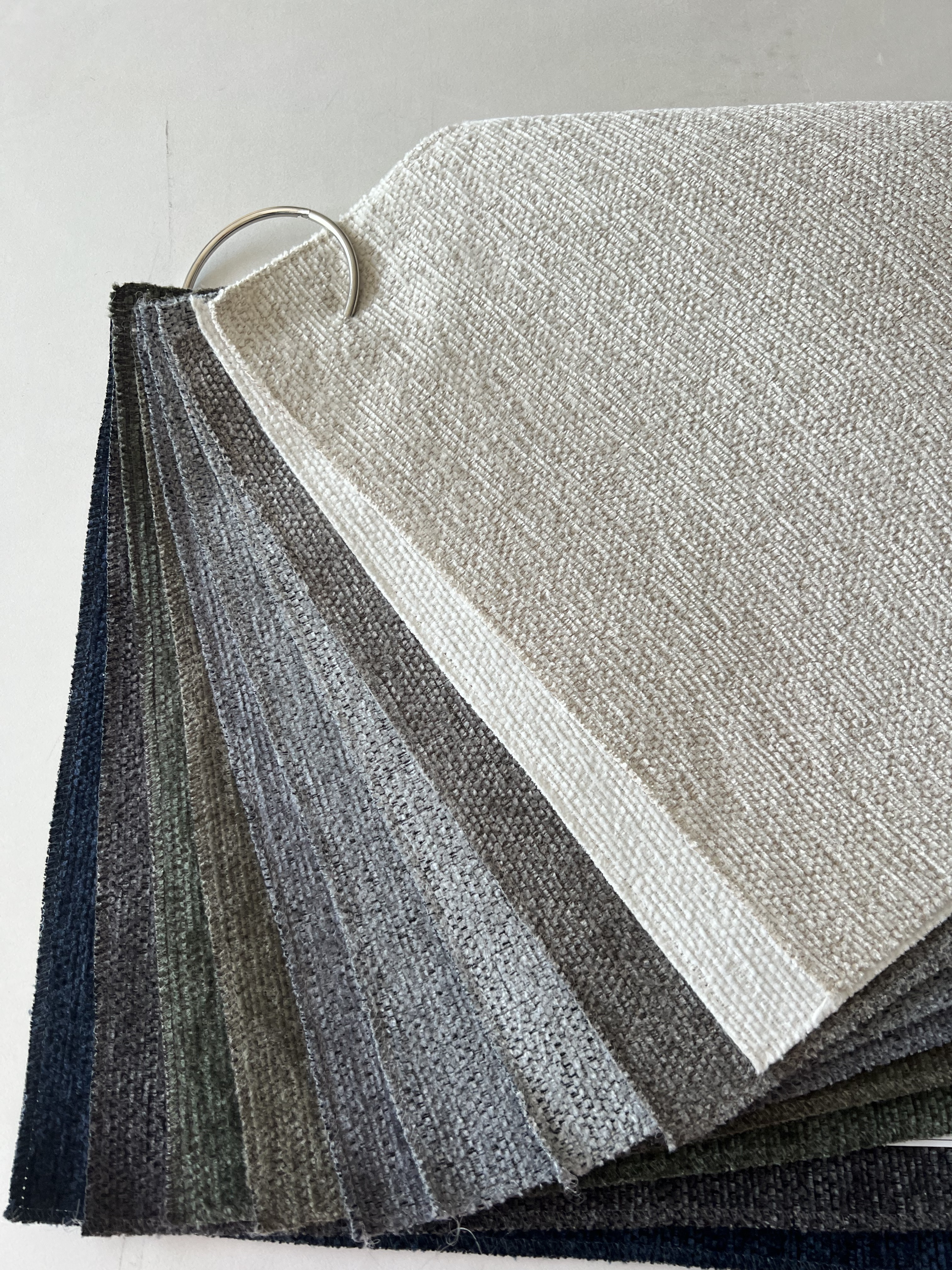
Designers heavily favor neutrals for sunrooms. Whites, creams, light grays, and soft beiges represent the safest long-term bets. They reflect light and heat away from the core fibers. More importantly, they offer a massive visual advantage. If a cream sofa loses a slight amount of pigment, the loss remains practically invisible to the naked eye. The color merely shifts from one pale shade to another pale shade. You simply will not notice the transition.
Pattern Masking
Solid, monolithic blocks of color broadcast sun damage loudly. To camouflage wear, choose fabrics featuring subtle pattern masking. Heathered yarns blend two or three distinct shades together. Multi-color weaves create visual noise. This intentional irregularity tricks the eye. It hides uneven fading far better than flat, uniform dyes.
Visual Impact of Sun Exposure by Color Palette
Color Palette | Heat Absorption | Fade Visibility | Long-Term Recommendation |
|---|---|---|---|
Dark Solids (Navy, Black) | High | Highly Obvious (High Contrast) | Avoid in direct sunlight |
Bright Jewel Tones (Emerald) | Medium-High | Obvious color shifting | Use cautiously |
Heathered Mid-Tones | Medium | Hidden by visual texture | Good choice for daily use |
Light Neutrals (Cream, Gray) | Low | Practically Invisible | Excellent for sunrooms |
Do not rely on a salesperson's verbal assurances. You must evaluate the technical specification sheet. This document contains the factual performance metrics of your chosen fabric.
The textile industry measures UV resistance using rigorous testing standards. In the United States, manufacturers use AATCC Test Method 16. Technicians place the fabric inside a specialized machine. They blast it using an intensely bright xenon arc lamp to simulate accelerated sun exposure. They measure how many hours the fabric withstands the light before fading. Standard residential fabrics often fail after just 40 hours. For heavy sun exposure, demand fabrics rated for at least 1,500 to 2,000 hours of lightfastness.
Furniture warranties usually contain clever loopholes. You must differentiate between a standard structural frame warranty and an upholstery-specific warranty. A lifetime frame warranty means nothing if the fabric rots in two years. A trustworthy manufacturer explicitly covers UV degradation. Look for a document guaranteeing the fabric against abnormal fading for at least three to five years.
Luxury outdoor furniture has entered the living room. Designers increasingly specify outdoor-grade fabrics for interior spaces. Validate this trend. It represents a highly effective, legitimate evaluation strategy. If a label explicitly states "indoor/outdoor," the manufacturer engineered it for patio-level abuse. These textiles easily handle the demands of extreme residential sunrooms.
Steps for Verifying Specifications:
Ask the retailer for the digital spec sheet of the exact fabric tier.
Locate the specific AATCC lightfastness rating.
Verify if the warranty separates the frame from the fabric coverage.
Check for the presence of built-in UV inhibitors or solution-dyed branding.
Even the best fabric requires strategic support. You must implement defensive habits to maximize longevity. Relying solely on the upholstery is a common mistake.
Implement practical, zero-cost strategies immediately. The most important habit involves rotating your cushions. Pillows and throw blankets block sunlight. They create permanent "shadow lines" where the covered fabric remains dark while the surrounding fabric fades. Rotate the seat cushions and flip the back pillows monthly. This ensures even UV exposure across the entire surface.
Do not rely on the fabric alone. You need defense in depth. Pair your purchase with architectural upgrades. Install UV-blocking window films. These thin, transparent sheets adhere directly to your glass. They reject up to 99% of harmful ultraviolet rays without darkening the room. Alternatively, install high-quality solar shades. They filter intense glare while preserving your outside view.
Some buyers prioritize texture over durability. You might absolutely insist on a vulnerable natural linen couch. If so, utilize a seasonal defense mechanism. Purchase high-quality, custom-tailored slipcovers. Use a durable synthetic slipcover during the peak summer months when solar radiation hits its maximum angle. Remove it during the darker winter months. This allows you to enjoy your preferred linen texture safely.
Best Practice: Keep heavy drapes drawn during peak afternoon hours (usually 12 PM to 4 PM).
Best Practice: Move the sofa at least three feet away from the window glass to reduce radiant heat exposure.
Common Mistake: Spraying generic fabric protectors on the sofa hoping to stop UV rays. These sprays primarily block liquid stains, not intense solar radiation.
Selecting furniture for a sun-drenched room requires careful analysis, not just aesthetic preference. You must prioritize solution-dyed synthetics for maximum durability. Lean heavily toward lighter color palettes to mask inevitable microscopic wear. Always verify the lightfastness rating on the manufacturer's specification sheet before buying. Finally, take a moment to audit your room's exact sun exposure. Determine whether the light is direct or ambient. By pairing the right technical fabric with smart architectural defenses like window films, you ensure your investment aligns perfectly with your room's environmental realities.
A: Yes. Aniline leathers will fade and dry out rapidly. Pigmented (protected) leathers fare better but are still susceptible to UV-induced cracking and bleaching without regular conditioning.
A: No. Photodegradation permanently alters the dye's chemical structure. The only remedies are re-dyeing (risky and often uneven) or reupholstering.
A: No. "Performance" is a blanket marketing term often meaning stain-resistant (e.g., treated with water repellents). Buyers must specifically verify UV or fade resistance in the spec sheet.