close
Choose Your Site
Global
Social Media
Views: 0 Author: Site Editor Publish Time: 2026-09-02 Origin: Site

Replacing outdoor furniture cushions carries a shockingly high cost when weather damage, mold, and UV degradation take their toll. You expect outdoor decor to survive the elements. Nature often has other plans. Sunlight brutally fades vibrant colors. Heavy rain soaks into deep cushion cores.
Buyers frequently face the frustration of purchasing "outdoor" pillows. These items often become completely waterlogged or smell strongly of mildew after just one short season. Sun-faded colors ruin your patio aesthetic. Soggy interior foam destroys structural comfort. You end up throwing away expensive accessories prematurely.
This guide provides a non-biased, decision-stage framework for evaluating, selecting, and maintaining the right materials. We focus specifically on sourcing durable waterproof pillow fabric for long-term outdoor use. You will learn how to navigate material types. You will discover methods to avoid structural failures. We also outline how to implement proper maintenance routines.
There is a critical technical distinction between water-resistant coatings and truly waterproof membranes; choosing the wrong one leads to interior foam rot.
The best waterproof pillow fabric balances moisture deflection with breathability to prevent trapped mildew.
Solution-dyed acrylics and Olefin dominate the market, but each serves different budget and tactile requirements.
DIY waterproofing sprays offer short-term fixes but alter texture and require strict reapplication schedules.
Fabric is only as good as its construction; unsealed seams and standard zippers are the most common points of moisture failure.
Consumers often use these two terms interchangeably. Manufacturers rely on this confusion. Understanding the technical difference prevents costly purchasing mistakes. You must set realistic expectations for outdoor textile performance.
Defining Water-Resistant: Water-resistant materials utilize DWR (Durable Water Repellent) coatings. Industry standards like the AATCC 22 Water Repellency Spray Test evaluate these finishes. The chemical treatment alters the surface tension of the textile. Raindrops bead up and roll off immediately. However, the textile remains porous. The fabric will eventually "wet-out" under sustained heavy rain or physical pressure. When you sit on a wet cushion, your body weight forces moisture through the weave. DWR provides excellent protection against light drizzles and morning dew. It does not survive submersion.
Defining Waterproof: Truly waterproof materials utilize impermeable barriers. Manufacturers apply a thick PVC or polyurethane backing to the textile. Water cannot penetrate this solid shield. Pressure does not matter. The barrier blocks moisture completely. Marine-grade vinyl falls into this category. You can leave these materials in a torrential downpour safely. The core foam remains dry.
The Breathability Trade-off: You must acknowledge a core industry reality. Materials creating a 100% waterproof barrier simultaneously trap moisture inside. Breathability disappears. Humidity often enters the cushion core through microscopic needle holes in the seams. When the sun heats the pillow, trapped moisture vaporizes. The impermeable barrier blocks this vapor from escaping. This lack of breathability rapidly accelerates mold growth inside the cushion core. You might possess a pristine exterior shell hiding a completely rotted foam center.
Decision Benchmark: We strongly recommend water-resistant, highly breathable fabrics for uncovered patios. These materials dry quickly. They allow internal vapor to escape easily. You should specify fully waterproof barriers only if you pair them strategically with structural venting. Cushions need breathable mesh panels on the underside to release trapped air.
Evaluate your local rainfall averages before choosing a barrier type.
Select DWR-coated materials for areas experiencing frequent, light showers.
Demand vented undersides when specifying solid PVC-backed textiles.
Test water repellency seasonally by dripping water onto the textile surface.
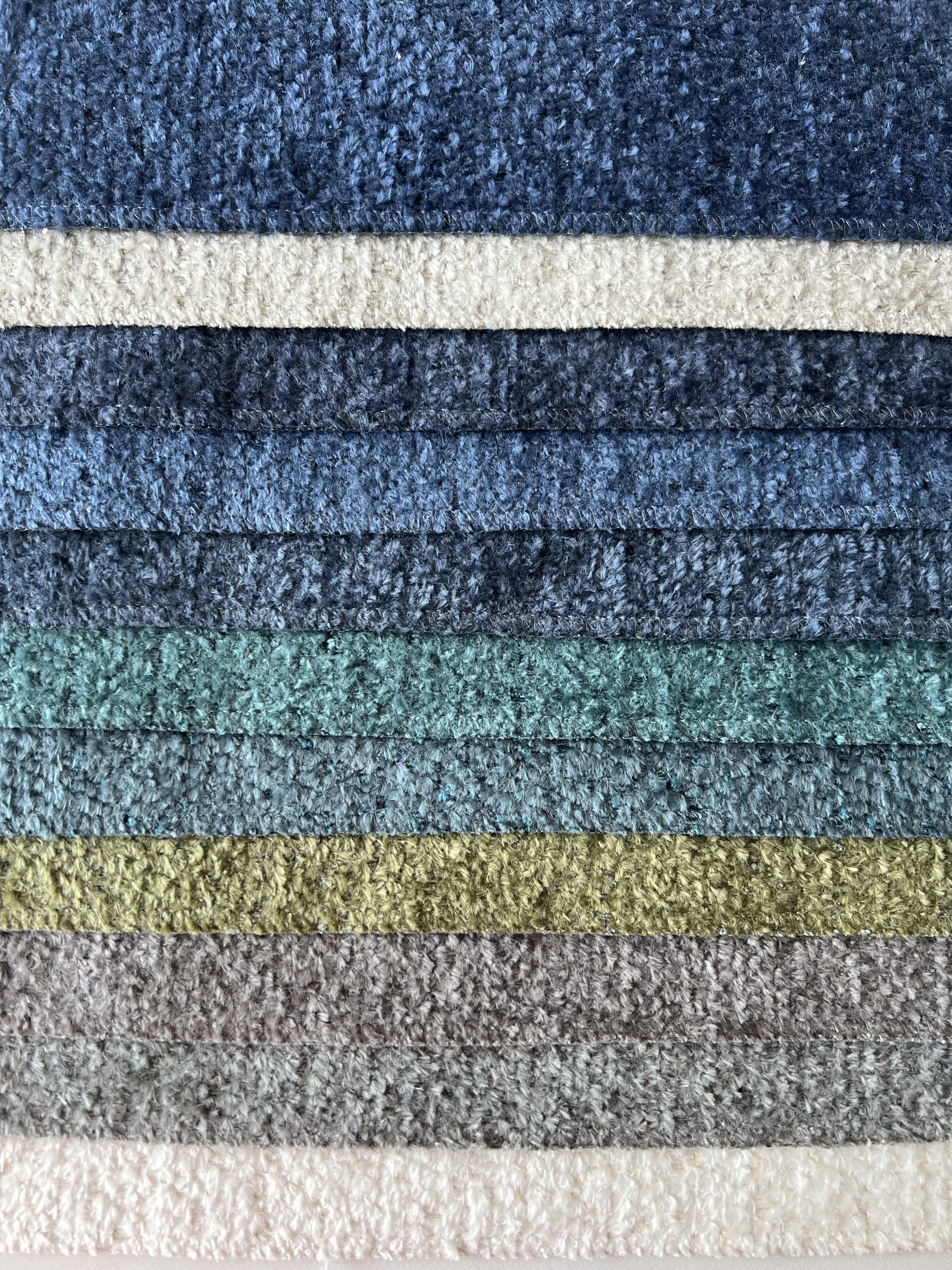
Selecting the right waterproof pillow fabric requires understanding polymer chemistry. Different synthetic fibers offer varying levels of durability. They also differ in tactile comfort. We evaluate the three primary categories dominating the outdoor textile industry.
Mechanism: Manufacturers mix colored pigments directly into the liquid acrylic polymer before extruding it into yarn. Think of a carrot rather than a radish. The color goes all the way through the fiber. This process ensures exceptional UV resistance. Factories usually treat the woven textile with a proprietary fluorocarbon finish. This creates robust water repellency.
Pros/Cons: Acrylic offers the softest hand-feel available for plush pillows. It drapes beautifully. It breathes exceptionally well. The colors remain vibrant for years. However, it requires a higher upfront investment. It relies entirely on its chemical finish to repel water. Once the finish wears off, the yarn absorbs moisture.
Mechanism: Olefin represents a synthetic fiber possessing inherent hydrophobic properties. The molecular structure naturally resists water absorption. It does not initially require secondary chemical coatings to deflect moisture. Olefin upcycles industrial byproducts, making it an eco-friendly option in some manufacturing circles.
Pros/Cons: This material delivers excellent moisture and mildew resistance. It remains highly budget-friendly. Olefin dries incredibly fast. Conversely, it features a slightly stiffer texture than acrylic. It also suffers from lower heat tolerance. You must never place Olefin covers in a hot tumble dryer. The fibers will permanently warp or melt.
Mechanism: Factories take a woven polyester mesh and coat it completely in liquid polyvinyl chloride. The plastic encapsulates every single thread. The mesh becomes a solid, unified sheet.
Pros/Cons: This product acts functionally impermeable to water. You can wipe it clean using minimal effort. Unfortunately, it carries a distinctly plastic-like feel. It offers zero breathability. The surface can become uncomfortably hot under direct sunlight. It serves best for structural slings on pool loungers rather than plush, decorative pillows.
You cannot select a textile based solely on aesthetics. A successful patio installation requires matching material specifications to environmental realities. The ideal waterproof pillow fabric in Florida will fail miserably in Arizona.
Climate Assessment: High humidity and frequent rain environments dictate specific choices. You must prioritize high-breathability fabrics like acrylic. Quick drying times prevent aggressive mold colonization. Conversely, arid environments with high sun exposure demand different priorities. You require maximum UV stability over heavy waterproofing. Sun degradation destroys textiles faster than occasional rain in desert climates.
Tactile Comfort (The Pillow Factor): You must differentiate between structural upholstery and decorative pillow applications. A taut seat cushion can tolerate stiffer materials. Decorative throw pillows require flexibility. They must maintain enough drape and softness for direct skin contact. Nobody wants to rest their face against rough, plastic-coated mesh. Acrylic and high-grade Olefin fulfill this tactile requirement beautifully.
Maintenance & Cleanability Lenses: Evaluate how easily the material releases organic stains. Outdoor pillows endure bird droppings, tree sap, and spilled sunscreen. Some textiles trap these soils in their weave. You must remove them without requiring harsh chemicals. Bleach and heavy detergents strip protective factory coatings. You want a surface releasing dirt quickly using only mild soap and water.
Fabric Selection Guide by Climate
Climate Type | Primary Threat | Recommended Material | Key Feature Required |
|---|---|---|---|
Humid & Rainy (e.g., Deep South) | Mold, Mildew, Saturation | Solution-Dyed Acrylic | Maximum Breathability |
Arid & Sunny (e.g., Desert Southwest) | UV Degradation, Fading | Acrylic or Treated Olefin | High UV Stability |
Coastal / Marine Environments | Saltwater, Constant Moisture | Olefin or PVC-Coated | Inherent Hydrophobia |
Temperate / Mixed Seasons | General Wear, Occasional Rain | Olefin | Balanced Durability |
Factory coatings inevitably degrade. Friction, UV exposure, and heavy rain slowly destroy the original DWR finish. You might also want to upcycle existing, non-treated cushions. Aftermarket waterproofing products offer a viable solution for extending textile lifespan.
When to Consider: You should deploy aftermarket sprays when water stops beading on the surface. If rain leaves dark, saturated spots on your pillows, the factory finish has failed. You can safely apply fluoropolymer or silicone-based sprays to restore this repellency. This process revives expensive acrylic covers effectively.
Application Realities: Successful application demands strict adherence to environmental conditions. You cannot simply spray a dusty pillow. Prepare the area carefully.
Clean the textile surface thoroughly using a mild soap solution.
Rinse away all soap residue completely. Leftover surfactants attract water.
Dry the pillow in direct sunlight until zero moisture remains in the core.
Apply the spray evenly in a well-ventilated, outdoor space.
Allow the chemical to cure undisturbed for a full 24 hours before use.
Implementation Risks: DIY solutions carry notable drawbacks. Wax-based products deliver extreme water resistance but alter the texture aggressively. They create stiffness. They often leave a waxy residue transferring onto your clothing during hot weather. Silicone sprays sometimes attract dust and dirt faster than factory finishes. Furthermore, DIY sprays represent a hidden maintenance burden. You must commit to a strict reapplication schedule every single season to maintain efficacy.
Applying spray over trapped dirt, permanently sealing stains into the weave.
Failing to rinse detergent out entirely before spraying.
Using the pillows before the 24-hour curing window closes.
Applying heavy layers instead of multiple thin, even coats.
Consumers frequently purchase premium materials and still experience soggy cushions. The textile itself rarely fails. The failure almost always stems from poor structural construction or improper maintenance routines. Finding excellent waterproof pillow fabric only solves half the problem.
The Seam Vulnerability: Sewing requires needles. Needles punch thousands of tiny holes directly through the waterproof shell. When rain hits a flat pillow, water pools on the surface. Gravity forces this pooled water straight down through the unsealed stitching. The interior foam acts like a giant sponge. To prevent this, manufacturers must use UV-bonded polyester thread. They should also apply specialized seam-sealing tape along the interior stitch lines. This tape acts as a final barrier.
Zipper Placement and Flaps: Standard zippers offer zero water resistance. The teeth create massive gaps for moisture ingress. Custom outdoor pillows require hidden zippers. Alternatively, they must feature downward-facing zipper flaps. A flap creates an overlapping textile shield. Water runs off the flap instead of pooling into the zipper track. Never position a zipper facing upwards toward the sky.
Washing Protocol Risks: Homeowners often destroy their own cushions through aggressive cleaning. Machine washing subjects the textile to intense friction. Standard household detergents contain heavy surfactants. Surfactants intentionally break surface tension to clean stains. They also permanently strip factory waterproofing finishes. You must establish a trust-building baseline for maintenance. Spot clean spills immediately. Use only a mild, non-detergent soap mixed with lukewarm water. Scrub gently using a soft-bristle brush. Always air dry the covers completely. Never place them inside a machine dryer.
Successful outdoor textile selection requires balancing competing priorities. You must weigh water resistance against essential breathability and long-term UV stability. Purchasing decisions based entirely on aesthetic appeal usually lead to rapid degradation and replacement.
Identify your specific climate threat before choosing between acrylic, Olefin, or PVC options.
Prioritize breathability for plush cushions to prevent hidden mold growth inside the foam core.
Order physical fabric swatches to test tactile feel against bare skin before committing.
Verify the seam construction and zipper placement when buying pre-made pillows.
Establish a strict spot-cleaning routine to protect the delicate factory DWR finishes.
A: No. Sunbrella utilizes solution-dyed acrylic treated with a durable water-repellent finish. It is highly water-resistant and exceptionally breathable. It easily deflects light rain and spills. However, under heavy, sustained downpours or submerged conditions, water will eventually penetrate the weave.
A: While the synthetic textile survives, we advise against this practice. Continuous saturation ultimately degrades structural components. UV-bonded threads weaken. Unsealed seams act as funnels. Standing water eventually breaches the zippers, leading to irreversible internal foam rot over multiple seasons.
A: You must wash the covers using a mild soap to remove dirt and oils. Rinse them thoroughly to remove all soap residue. Once completely dry, apply a high-quality fluoropolymer fabric guard spray evenly. Let the textile cure in a ventilated area for 24 hours.
A: It will cause mold if the material lacks breathability. Impermeable barriers trap humidity entering through the seams. If you use highly water-resistant covers, you must pair them with reticulated, quick-dry foam. This specialized foam allows trapped water and vapor to pass through rapidly.