
close
Choose Your Site
Global
Social Media

Views: 0 Author: Site Editor Publish Time: 2026-01-08 Origin: Site
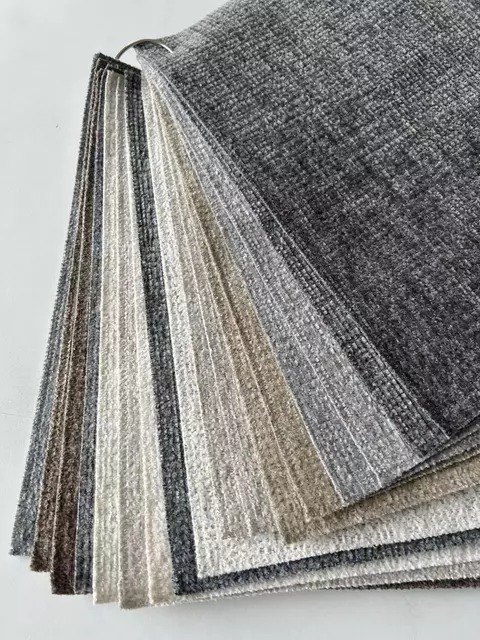
Choosing the right sofa upholstery fabric has become a critical decision in both residential and commercial furniture markets. As sofas increasingly serve as long term functional assets rather than short lived decor items, buyers are paying closer attention to durability, comfort, maintenance, and design consistency. For manufacturers, wholesalers, project contractors, and furniture retailers, upholstery fabric selection directly affects product lifespan, customer satisfaction, and overall Fabric Furniture value.
In recent years, rising material costs, sustainability awareness, and higher consumer expectations have further elevated the importance of fabric selection. Whether the sofa is designed for a family living room, a hotel lobby, a serviced apartment, or an office lounge, the upholstery fabric must perform reliably while supporting the intended visual style. This makes understanding fabric structure, performance indicators, and usage scenarios essential for professional decision making.
The best way to choose sofa upholstery fabric is to balance durability, comfort, maintenance needs, and design intent, ensuring the fabric matches real use conditions rather than appearance alone.
This article provides a comprehensive, B2B focused guide to choosing sofa upholstery fabric. It explains key fabric types, performance considerations, manufacturing insights, and practical evaluation tips. By the end, you will have a clear framework for selecting Fabric Furniture materials that align with market demand and long term value.
Understand Usage Scenarios First
Know the Main Sofa Upholstery Fabric Types
Durability and Performance Indicators
Comfort and Tactile Experience
Design and Visual Consistency
Manufacturing and Supply Chain Considerations
Maintenance and Lifecycle Cost
Industry Perspectives on Sofa Upholstery Fabric
Conclusion
The first and most important tip for choosing sofa upholstery fabric is to clearly define how and where the sofa will be used.
Usage scenario determines nearly every technical requirement of Fabric Furniture upholstery. A sofa placed in a private home experiences different stress compared to one used in a hotel lobby, office waiting area, or serviced apartment. Frequency of use, user behavior, and environmental exposure all affect fabric performance expectations.
In high traffic commercial environments, upholstery fabric must resist abrasion, pilling, and deformation. Weave sofa fabric is often preferred in these cases due to its structural stability. In contrast, sofas designed for low frequency use may prioritize softness and appearance over extreme durability, making Sofa plain fabric a suitable option.
Understanding usage scenarios also helps define load conditions. For example, sofas used for long sitting periods require upholstery that maintains elasticity and does not flatten easily. Fabric Furniture selection without this analysis often leads to premature wear and customer complaints, especially in contract projects.
Choosing sofa upholstery fabric starts with understanding the structural differences between common Fabric Furniture materials.
Sofa upholstery fabrics can generally be divided into woven fabrics, plain fabrics, and blended constructions. Weave sofa fabric is created through interlacing yarns in structured patterns, offering strong resistance to tearing and stretching. This makes it a reliable choice for sofas expected to endure frequent use.
Sofa plain fabric focuses on surface uniformity and smooth texture. This type of upholstery fabric is visually clean and works well in modern or minimalist interiors. However, compared to Weave sofa fabric, plain constructions may require additional finishing treatments to enhance durability.
Blended fabrics combine different fiber properties to balance cost, comfort, and performance. These are commonly used in mass produced Fabric Furniture lines, as they allow manufacturers to meet price targets while maintaining acceptable performance levels.
Below is a simplified overview:
Weave sofa fabric
High durability
Textured appearance
Suitable for commercial use
Sofa plain fabric
Smooth surface
Modern visual effect
Better for controlled environments
Blended upholstery fabric
Balanced performance
Cost effective
Flexible application
Durability is a core performance indicator when selecting sofa upholstery fabric for Fabric Furniture.
Abrasion resistance is one of the most critical metrics. Upholstery fabrics used on sofas are constantly exposed to friction from sitting, movement, and cleaning. Weave sofa fabric generally performs better in abrasion tests due to its tighter yarn structure.
Pilling resistance is another key factor. Fabrics with loose fibers may form surface pills over time, reducing visual quality. This is particularly important for sofa pillow fabric, which experiences repeated contact. Selecting fabrics with proper surface finishing helps maintain appearance.
Color fastness should not be overlooked. Upholstery fabric exposed to sunlight or frequent cleaning must retain its color. Poor color stability can result in uneven fading, which is difficult to address after installation. For Fabric Furniture exported to different climates, this becomes even more important.
Comfort is just as important as durability when choosing sofa upholstery fabric.
From a user perspective, the tactile feel of Fabric Furniture directly influences satisfaction. While Weave sofa fabric offers durability, its texture must still feel pleasant to the touch. Advances in finishing techniques allow woven fabrics to achieve both strength and softness.
Sofa plain fabric is often selected specifically for comfort. Its smooth surface provides a gentle tactile experience, making it popular for residential sofas and relaxed seating areas. For sofa pillow fabric, plain fabrics are frequently preferred because they come into close contact with skin.
Temperature regulation also affects comfort. Some upholstery fabrics trap heat, while others allow better airflow. Choosing the right fabric structure helps maintain comfort across different seasons, particularly in regions with warm climates.
Sofa upholstery fabric should support the overall design language of the Fabric Furniture collection.
Visual consistency is essential for both residential sets and commercial projects. Upholstery fabric color, texture, and reflectivity all influence how a sofa integrates into its environment. Weave sofa fabric adds depth and visual interest, making it suitable for layered or textured interiors.
Sofa plain fabric supports clean and minimal design concepts. It pairs well with simple furniture shapes and neutral palettes. In large scale projects, plain fabrics simplify coordination across multiple furniture pieces, including sofas and sofa pillow fabric accessories.
For B2B buyers, selecting upholstery fabric that can be used across different products improves supply chain efficiency. A consistent Fabric Furniture material palette reduces inventory complexity and supports brand identity.
From a manufacturing perspective, sofa upholstery fabric selection affects production efficiency and quality control.
Certain fabrics are easier to cut, sew, and upholster than others. Weave sofa fabric typically holds its shape well during production, reducing alignment issues. This leads to fewer defects and more consistent output.
Sofa plain fabric offers advantages in pattern matching and waste reduction. Because the surface is uniform, manufacturers can optimize material usage more easily. This is especially valuable for large scale Fabric Furniture production runs.
Supply stability is another factor. Upholstery fabric used in long term product lines must be consistently available. Selecting materials with reliable sourcing reduces the risk of production delays and inconsistent product quality.
Evaluating sofa upholstery fabric based on lifecycle cost leads to better long term decisions.
Initial material cost is only one part of the equation. Fabrics that wear out quickly increase replacement and maintenance expenses. Weave sofa fabric, while sometimes more expensive upfront, often delivers lower total cost of ownership due to its durability.
Maintenance requirements also differ. Sofa plain fabric is easier to clean but may show stains more clearly. Weave sofa fabric hides minor wear better but may require more thorough cleaning methods. Understanding these trade offs helps align Fabric Furniture products with customer expectations.
For commercial buyers, predictable maintenance cycles are crucial. Upholstery fabric that maintains appearance with standard cleaning reduces operational disruptions and enhances perceived quality.
D3 Dynamic platform emphasizes matching upholstery fabric durability to lifestyle and usage intensity, noting that fabric performance should always outweigh short term aesthetic trends.
Foam and Covers platform highlights the importance of understanding fabric structure, particularly the difference between woven and plain constructions, when selecting sofa upholstery fabric for long term use.
These viewpoints reinforce the idea that informed Fabric Furniture decisions rely on technical understanding rather than appearance alone.
Choosing sofa upholstery fabric is a multidimensional process that requires balancing performance, comfort, design, and cost. The most effective Fabric Furniture solutions are built on a clear understanding of usage scenarios, fabric structure, and long term maintenance implications.
By evaluating options such as Weave sofa fabric and Sofa plain fabric through a professional lens, manufacturers and buyers can reduce risk and improve product longevity. Upholstery fabric is not just a surface material, but a core component of sofa performance and customer satisfaction.
Ultimately, the best upholstery fabric choice is one that aligns with real world use, supports efficient production, and delivers consistent value throughout the product lifecycle.