
close
Choose Your Site
Global
Social Media

Views: 0 Author: Site Editor Publish Time: 2025-11-20 Origin: Site
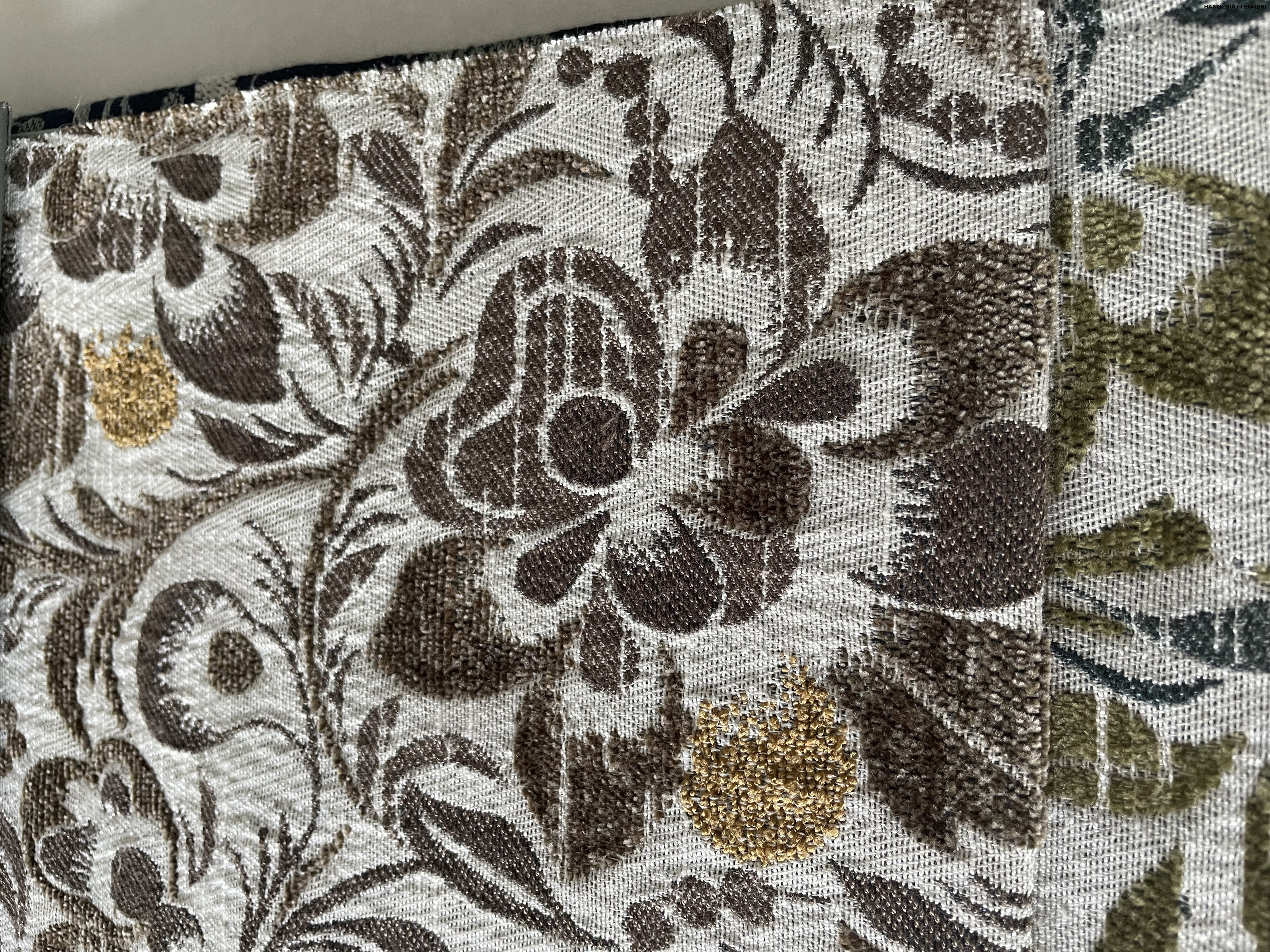
When choosing fabric for furniture, durability is a critical factor. Whether you’re selecting upholstery for a sofa, chairs, or cushions, you want a fabric that can stand the test of time while maintaining its appearance and performance. With so many different fabric types available, it's important to understand which materials are best suited for long-lasting furniture use.
The best furniture fabrics for longevity are those that are resistant to wear, easy to clean, and able to withstand daily use. These fabrics not only resist fading, staining, and tearing but also retain their structure and appearance even after years of use. This article explores the various fabric materials that are known for their longevity and helps you choose the best fabric for furniture that will last for many years.
H2: 1. Key Factors that Contribute to the Durability of Furniture Fabrics
H2: 2. The Best Fabric Materials for Long-Lasting Furniture
H2: 3. Comparing Synthetic and Natural Fabrics for Durability
H2: 4. Why Some Fabrics Wear Out Faster
H2: 5. Tips for Maintaining Furniture Fabrics
H2: 6. Conclusion
The durability of furniture fabric is determined by several factors including fiber strength, weave, finish, and the type of material used. The key elements that contribute to long-lasting fabric include:
The strength of the fibers in the fabric plays a significant role in how well the fabric holds up over time. Stronger fibers are more resistant to abrasion and tearing. Fabrics made from synthetic fibers like polyester, nylon, and olefin tend to be stronger and more durable than those made from natural fibers like cotton or linen.
The weave of the fabric, which refers to how the fibers are interlaced, also affects its durability. A tight weave tends to be more durable because it provides more resistance to abrasion and tearing. Fabrics with specialized finishes, such as stain resistance or water resistance, tend to last longer as they are protected from damage by spills, stains, and environmental factors.
Fabrics that resist fading and staining are essential for long-lasting furniture. UV-resistant and stain-resistant treatments can significantly enhance the fabric's durability, especially in high-use areas like living rooms and offices. Synthetic fabrics generally offer better resistance to fading and staining than natural fibers, but advancements in fabric treatments are making natural options more durable.
Regular maintenance is crucial to extending the life of your furniture fabric. Fabrics that are easy to clean and maintain—whether through simple vacuuming, spot cleaning, or machine washing—are more likely to last longer. Fabrics with a protective finish tend to require less maintenance and resist damage from dust and dirt.
Several fabrics are known for their durability and long-lasting properties, making them ideal choices for furniture upholstery. Here’s a look at the best fabric materials that are built to last:
Leather is a timeless material known for its durability and longevity. While it can be more expensive than other options, its ability to resist wear and tear, along with its easy-to-clean surface, makes it a top choice for furniture that will last for decades. Leather improves with age and use, developing a unique patina over time. However, it can be susceptible to scratches and requires maintenance, such as conditioning to keep it supple and prevent cracking.
Microfiber is a synthetic fabric made from polyester and nylon fibers that is incredibly durable and resistant to stains, fading, and abrasion. It is soft to the touch, making it a popular choice for sofas and chairs, and it is also easy to clean. Microfiber is highly resistant to pet hair and dust, which helps maintain its appearance and durability over time.
Polyester is one of the most commonly used synthetic fabrics for furniture upholstery due to its durability and resistance to fading, wrinkling, and tearing. It is highly resilient and can withstand heavy use without losing its shape. Polyester is often blended with other materials, such as cotton, to enhance the fabric’s texture and feel. It is also easy to maintain and relatively inexpensive, making it a cost-effective option for long-lasting furniture.
Canvas is a durable, heavyweight cotton fabric that is often used for outdoor furniture or high-traffic indoor areas. It is known for its ability to withstand heavy use and exposure to the elements. While it is prone to fading in direct sunlight, canvas can be treated with a water-resistant finish, making it ideal for areas where durability is a priority. It’s also easy to clean and maintain, making it a practical choice for homes with children or pets.
Sunbrella is a brand of acrylic fabric known for its exceptional durability and weather resistance. It is often used for outdoor furniture but is also an excellent option for indoor furniture, especially in homes with high humidity or exposure to sunlight. Sunbrella is resistant to fading, mildew, and stains, and it is highly durable in both indoor and outdoor settings.
Chenille is a soft, textured fabric that is known for its durability and luxurious feel. While it can be made from cotton, polyester, or a blend of both, chenille is often used for its rich texture and ability to withstand daily wear. Its tightly woven design resists abrasions, making it ideal for furniture that sees frequent use. However, chenille may require more maintenance than other fabrics to keep its plush texture intact.
When comparing synthetic and natural fabrics, it’s important to consider the differences in durability and maintenance requirements.
Synthetic Fabrics (e.g., Polyester, Microfiber, Olefin):
Synthetic fabrics are typically more durable than natural fibers, offering greater resistance to wear, stains, and fading. They are also less prone to shrinking and are easier to clean. Synthetic fibers like microfiber and polyester are designed to withstand high-traffic use and are often more affordable than their natural counterparts.
Natural Fabrics (e.g., Cotton, Linen, Wool):
While natural fabrics like cotton and linen are softer and more breathable, they tend to be less durable than synthetic fabrics. They are more prone to fading and staining and require more maintenance to keep them looking their best. Wool is a durable natural fabric that resists wear and is naturally resistant to dirt and moisture but can be more difficult to clean and maintain.
Certain fabrics wear out faster due to their composition, weave, and exposure to external factors. Here are a few reasons why some fabrics may not last as long as others:
Fabrics with a thin weave or loose threads are more susceptible to tearing and fraying. These fabrics do not offer the same level of protection against abrasion as thicker, tightly woven fabrics like canvas or leather.
Sunlight can cause fabrics to fade and degrade over time. Fabrics that are exposed to direct sunlight are more likely to lose their color and integrity. This is especially true for natural fibers like cotton and linen, which tend to fade faster than synthetic fabrics like polyester or acrylic.
Fabrics that are used heavily, especially in high-traffic areas like living rooms or dining rooms, are more likely to wear out faster. Fabrics that are not designed for heavy use may experience pilling, stretching, or tearing more quickly than durable options like microfiber or polyester.
To extend the life of your furniture fabrics and ensure they stay in good condition for years, here are some maintenance tips:
Regular Cleaning: Vacuum upholstery regularly to remove dust, dirt, and pet hair that can cause damage over time. Spot clean any spills immediately to prevent stains.
Use Fabric Protectors: Consider using fabric protectors or sprays that can help resist stains and spills.
Rotate Cushions and Covers: If possible, rotate cushions and seat covers regularly to prevent uneven wear.
Avoid Direct Sunlight: Keep furniture out of direct sunlight to prevent fading and fabric degradation.
Professional Cleaning: For tougher stains or delicate fabrics, consider having your furniture professionally cleaned.
When selecting fabric for furniture, it’s important to choose materials that offer durability, ease of maintenance, and resistance to wear. Fabrics like leather, microfiber, polyester, canvas, and Sunbrella are ideal for long-lasting furniture due to their strength, resistance to stains, and ability to withstand daily use. By considering the fabric’s characteristics and following proper care instructions, you can ensure that your furniture remains in excellent condition for years to come.
What fabric should you stay away from?
Avoid fabrics like silk, velvet, and lightweight cotton for furniture in high-traffic areas, as these fabrics are prone to wear and staining and are less durable.
What is high-performance fabric for furniture?
High-performance fabric for furniture refers to durable, stain-resistant, and easy-to-clean fabrics such as microfiber, polyester, and Sunbrella that are designed to withstand heavy use.
What furniture material lasts the longest?
Leather, microfiber, and polyester are some of the longest-lasting materials for furniture due to their durability, resistance to wear, and ease of maintenance.