close
Choose Your Site
Global
Social Media

Views: 0 Author: Site Editor Publish Time: 2026-09-02 Origin: Site

Buying a new sofa represents a significant financial investment in your home. We often treat it as a centerpiece, expecting it to last for years. Unfortunately, picking a fabric based solely on showroom aesthetics frequently leads to premature wear, tough stains, or costly reupholstery. You might hear salespeople throw around terms like "performance fabric" or "double rub count." These phrases can easily mislead you without the right context. Not all materials hold up to daily life, pets, and children in the same way. The goal of this guide is to provide an objective, industry-standard framework. We will help you evaluate sofa materials based on your household reality, moving past standard marketing claims. You will learn how to decipher durability metrics, weigh natural versus synthetic trade-offs, and confidently choose the right textile for your living space.
Durability Metrics Matter: A fabric’s Wyzenbeek or Martindale rub count is the most objective predictor of longevity; aim for 15,000+ for standard use and 30,000+ for heavy use.
Synthetics Edge Out Naturals for Wear: While natural fibers offer premium breathability, synthetic blends dictate the modern standard for stain and fade resistance.
"Performance" Isn't Bulletproof: No fabric is entirely indestructible or stain-proof; maintenance codes and immediate spill response dictate actual lifespan.
Test Before Investing: Never buy based on a digital render. Swatch testing in home lighting and physical abrasion tests are mandatory BOFU steps.
Industry professionals do not rely on touch or feel to determine durability. They use rigorous, standardized testing. Two primary testing methods determine abrasion resistance. The Wyzenbeek test is the standard in North America. It rubs a piece of cotton duck fabric back and forth over the test specimen. Each back-and-forth motion counts as one "double rub." The Martindale test, popular in Europe, uses wool or wire mesh. It rubs the fabric in a figure-eight pattern to simulate multi-directional wear. These cyclical rubs give a clear objective picture of how long the material will survive daily friction.
Understanding rub counts helps you avoid buying a fragile textile for a busy family room. We summarize the industry baselines below.
Abrasion Resistance Guidelines
Traffic Level | Rub Count Recommendation | Ideal Application |
|---|---|---|
Light Traffic | 9,000 to 15,000 rubs | Formal living rooms, decorative pieces, and accent chairs |
Medium Traffic | 15,000 to 30,000 rubs | Standard daily living room use for typical adult households |
Heavy Duty | 30,000+ rubs | Active homes housing kids, pets, or commercial spaces |
Beyond abrasion, you must consider colorfastness to light. This metric defines how well a textile resists fading from UV exposure. Sunlit rooms, particularly those facing south or west, demand high colorfastness ratings. Otherwise, vibrant colors will bleach and dull within a few short seasons.
Finally, manufacturers grade pilling on a standard scale from one to five. A grade of five means no pilling occurs whatsoever. A grade of one indicates severe fuzzing and knotting. Normalize the reality of some initial fuzzing on new furniture. Loose micro-fibers often work their way to the surface during the first few months. You can easily shave them off using a standard handheld fabric defuzzer without harming the underlying weave.
Every material category carries distinct advantages and distinct flaws. You must weigh these transparent pros and cons against your actual implementation realities.
Natural fibers offer undeniable beauty and tactile appeal. Linen and cotton stand out as highly breathable and hypoallergenic options. They feel exceptionally crisp and comfortable in warm climates. However, they are highly prone to wrinkling, soil retention, and UV fading. Wool presents a more robust natural alternative. It is naturally flame-retardant and highly water-resistant. The downsides? It can sometimes feel scratchy against bare skin, and professional cleaning costs remain high.
Leather offers a totally different experience. Top-grain leather ages beautifully and can easily last decades. Bonded leather, conversely, falls short in longevity and often peels. Even premium top-grain options require periodic conditioning to prevent deep cracks from forming in dry environments.
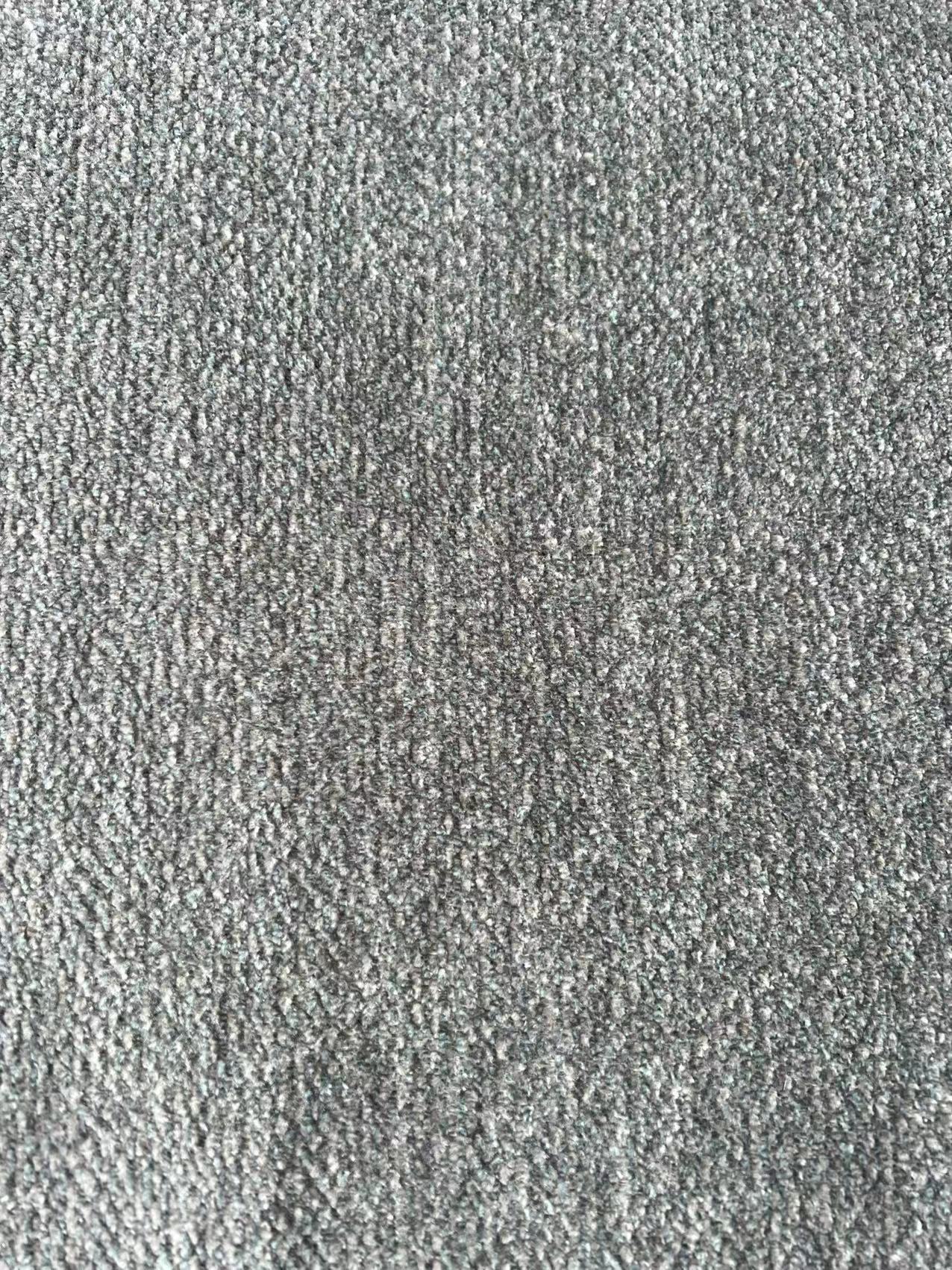
When you need extreme durability, modern synthetics often win. Materials like polyester and microfiber show exceptional resistance to stretching, shrinking, and staining. They serve as the baseline for modern family homes. Choosing a high-quality Sofa Fabric for Upholstery often leads you directly to advanced polyester blends. Acrylic and nylon also play critical structural roles. When manufacturers blend them into natural fibers, they drastically improve overall color retention. The structural integrity of the entire weave improves dramatically.
Marketing teams love the term "performance." But what does it actually mean? True performance fabrics, like Crypton or Sunbrella, rely on specific chemical engineering. Some use solution-dyed acrylics, where color goes entirely through the fiber rather than just sitting on the surface. Others apply chemical liquid-repellent barriers at the molecular level. These protective treatments prevent accidental spills from immediately soaking into the inner cushion core.
Your daily routine should dictate your textile choice. Let us connect specific material features directly to your household outcomes to give you decision-stage clarity.
Your success criteria depend heavily on weave structure and surface texture. You need tight weaves to prevent sharp claw snags. You also need smooth textures to release shed pet hair easily during vacuuming.
Top picks: Microfiber, synthetic velvet, tight-weave canvas, and distressed leather.
Red flags: Tweeds, chenille, and open-weave linens. Cats will treat these loose weaves as appealing scratching posts.
Kids bring spills, sticky fingers, and constant friction. Your primary success criteria include liquid repellency and pattern masking. Dark colors or heathered patterns do an excellent job hiding minor, inevitable blemishes.
Top picks: Heavy-duty performance polyester blends and protected aniline leather. They wipe clean quickly and endure heavy impact.
If the room rarely sees active daily use, your priorities shift entirely. Visual impact, unique texture, and beautiful structural drape become your defining success criteria.
Top picks: Silk blends, pure linen, and mohair. These delicate options shine brilliantly when durability takes a back seat to high-end aesthetics.
Every material carries hidden maintenance burdens. Understanding these risks upfront builds realistic expectations and ensures long-term satisfaction. The cleaning code printed on the manufacturer tag tells you exactly how to respond safely to daily wear.
W (Water-based): You can safely use water-based cleaners. This makes it the absolute easiest option for quick DIY spot cleaning.
S (Solvent-based): You must use solvent-based cleaners or opt for professional dry cleaning. This carries the highest maintenance risk and ongoing cost.
W/S (Water or Solvent): You can use either water or solvent-based solutions safely, giving you maximum flexibility.
X (Vacuum Only): You should only vacuum or lightly brush the surface. Avoid these codes entirely for functional daily seating.
We must address the persistent stain-proof myth. Performance fabrics buy you precious time. They force liquids to bead up on the surface, allowing you to grab a towel. However, they are not invincible forcefields. If you leave acid-based liquids like red wine or tomato sauce unattended, they will eventually penetrate the barrier and permanently stain the fibers.
Dimensional stability represents another critical, yet often hidden, wear risk. Some textiles stretch, warp, or sag heavily over time. Pure acetate blends and loose knits frequently suffer from this specific issue. A sagging textile requires frequent, frustrating cushion fluffing just to look presentable. Always prioritize tightly woven Sofa Fabric for Upholstery to ensure the frame and cushions hold their shape firmly for years.
You should never buy seating based purely on a digital render. Computer screens distort colors heavily, and you cannot gauge physical texture through a monitor. Follow this shortlisting logic using physical swatches in your own home.
The Scratch and Pull Test: Take your ordered swatch and firmly scratch it with a fingernail. Watch carefully for snagging threads or surface chalking. This step proves especially crucial when evaluating velvets and leathers. If it marks easily in your bare hand, a dog’s paw will destroy it in weeks.
The Spill Test: Place a few drops of room-temperature water directly onto the swatch. Observe the absorption rate closely. Does it bead up immediately? Does it soak through in seconds? This simple test reveals the true efficacy of any applied liquid-repellent barriers.
The Lighting Audit: Tape the swatch exactly where the new piece of furniture will sit. View it under morning natural light. Check it again during peak afternoon glare. Finally, observe it under the warm artificial light of your evening lamps. You will often detect surprising undertone shifts that could clash badly with your existing paint or rugs.
The best sofa material always represents a calculated compromise. You must balance your aesthetic desires with your actual lifestyle reality. A pristine white linen couch looks phenomenal in a magazine, but it will not survive a toddler's juice box. Durability, ease of cleaning, and visual appeal rarely exist perfectly in one singular textile.
Your next step is simple and highly actionable. Order three to five physical swatches today. If durability stands as your absolute top priority, focus primarily on high-rub-count synthetics or dedicated performance blends. Before finalizing any major purchase, consult with an upholstery professional to verify the cleaning codes. Make sure you are fully prepared for the long-term maintenance requirements of your chosen material.
A: Microfiber or heavy-duty performance polyester blends rank as the most durable options. You should look for materials boasting a Wyzenbeek rating over 30,000 double rubs to ensure they survive rigorous daily use.
A: Yes, provided it is a performance polyester velvet rather than cotton velvet. Synthetic velvet is surprisingly durable. It also naturally resists pet claw snags due to its distinct lack of woven loops.
A: Reupholstering makes financial sense primarily for high-quality, solid wood frames. However, you must factor in both yardage and skilled labor. The total cost can easily equal or exceed the price of a mid-tier new sofa.
A: Smooth leather and tight-weave microfiber repel pet hair best. You should strictly avoid textured weaves like tweed or chenille. Pet hair physically weaves itself into these loose fabrics, making vacuuming nearly impossible.